APAG - American Photography Archives Group
  • Home
  • About
    • APAG Board
  • Membership
    • Members Only
  • News
  • Resources
  • Members Gallery
  • Conference
  • Education
  • Contact

Christine Welch

Posted on July 21, 2026 by Julie Grahame in Member Profile
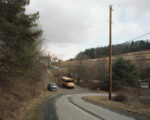
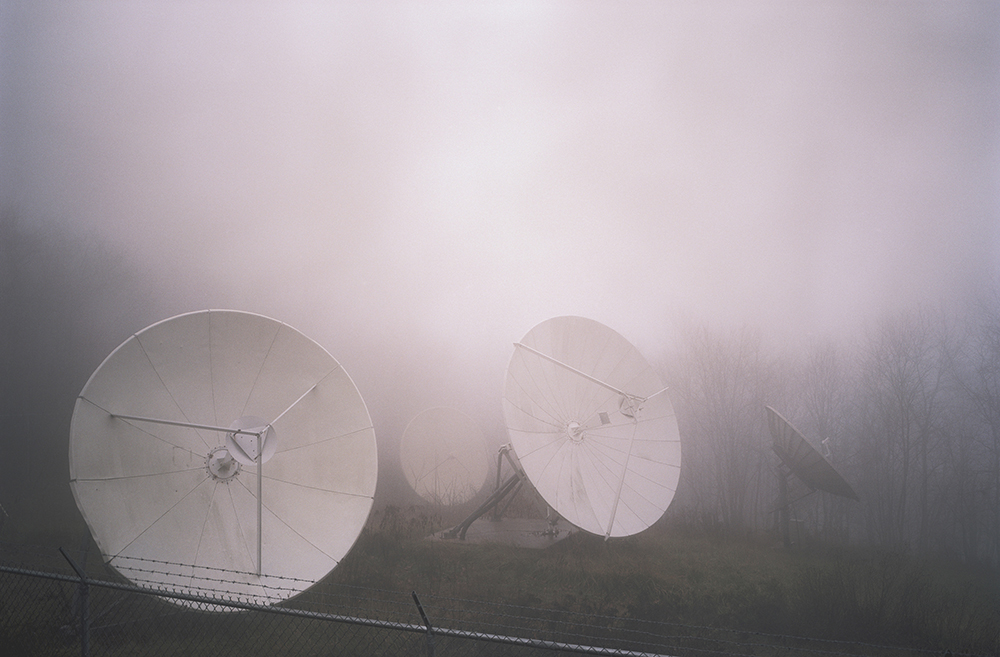
State Road 501, Near Bethel, PA, 1999, from the series “Jarring the Sublime”
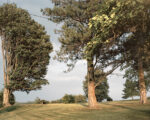
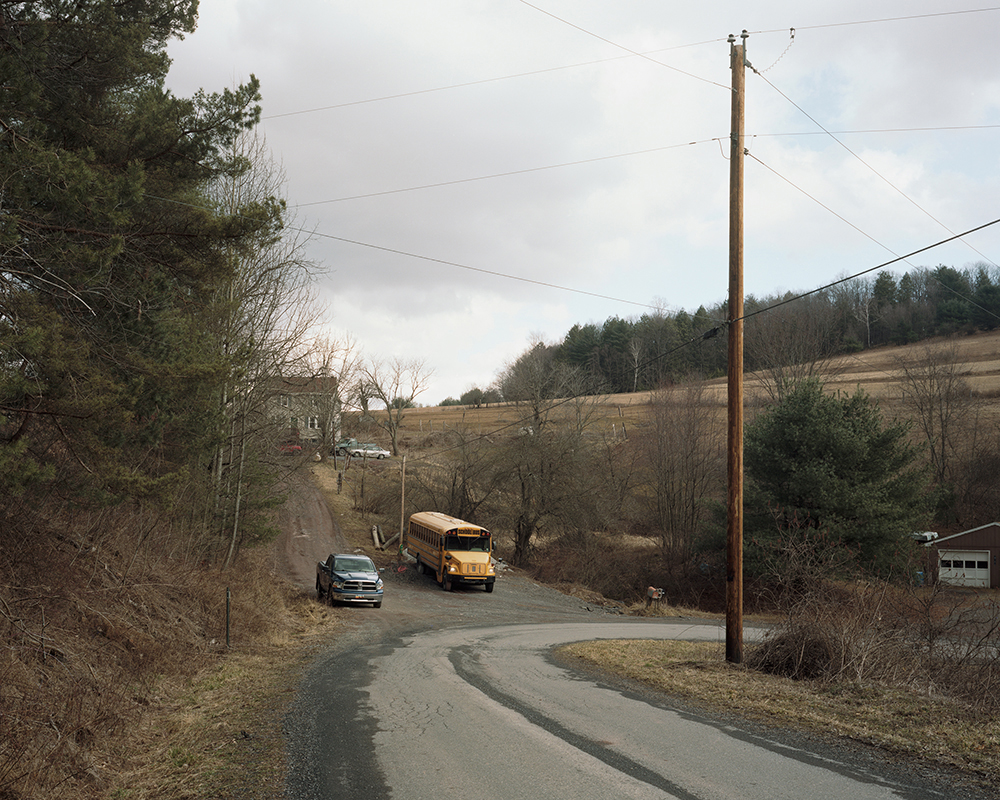
Canoe Camp, PA, 2014, from the series “Susquehanna Trail: Road of Neverending Delight”
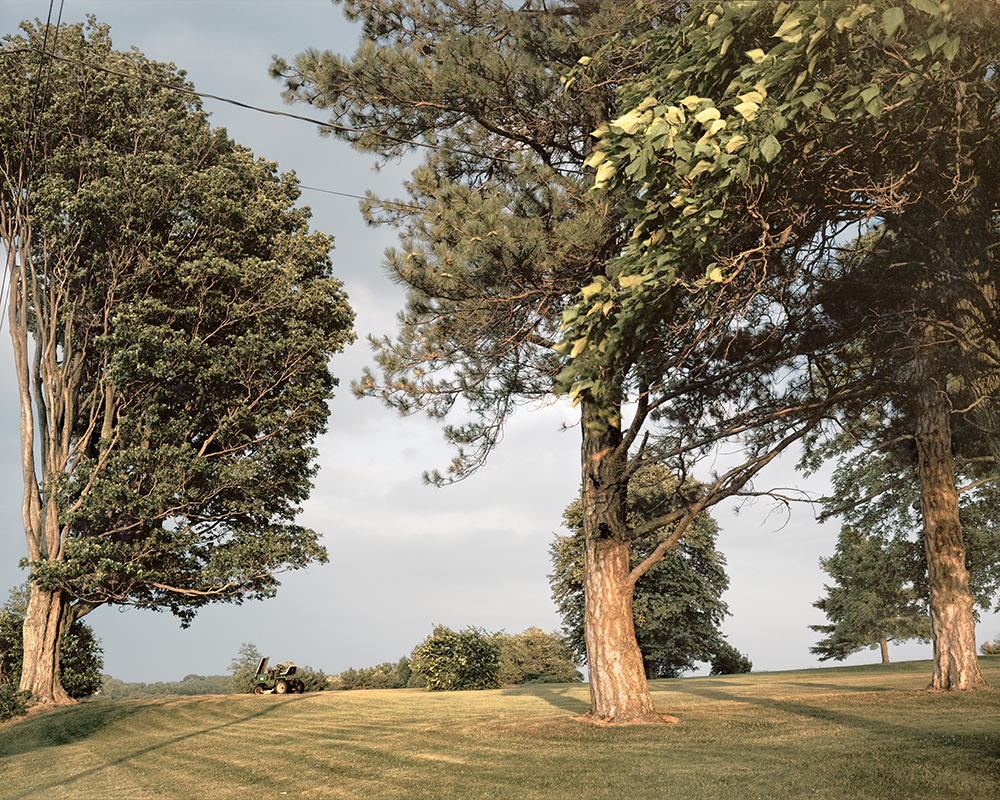
Warsaw, NY, 2013 from the series “Susquehanna Trail: Road of Neverending Delight”
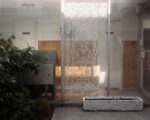
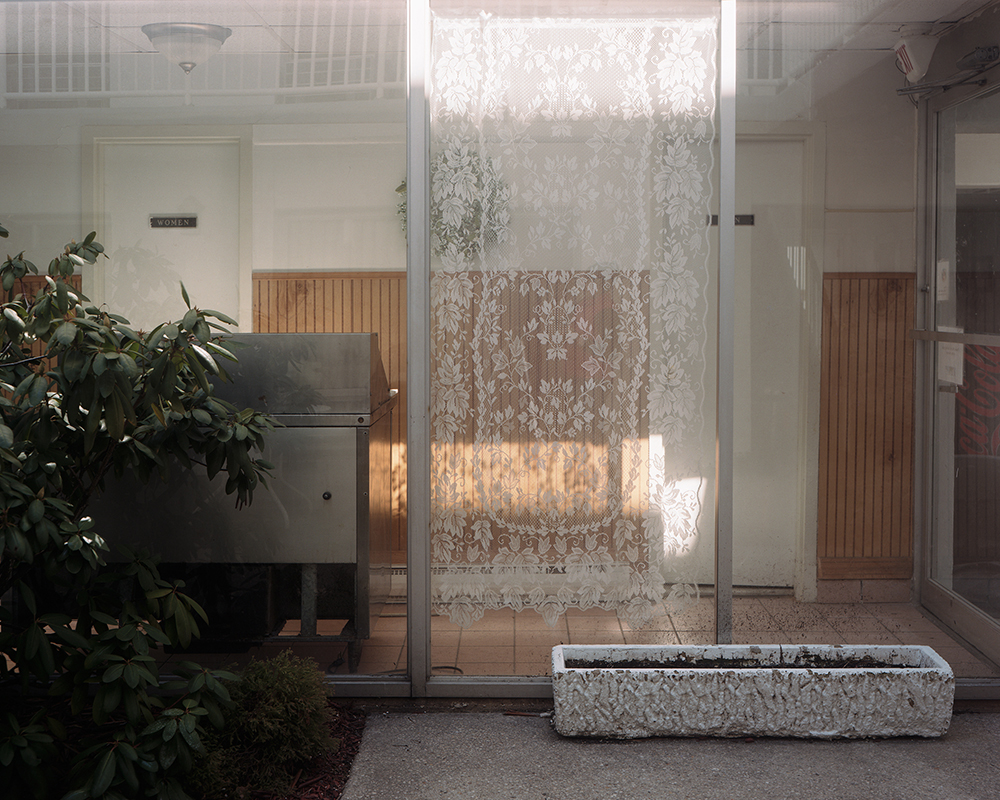
Veil, 2009, from the series “Shrines, Altars + Gardens”
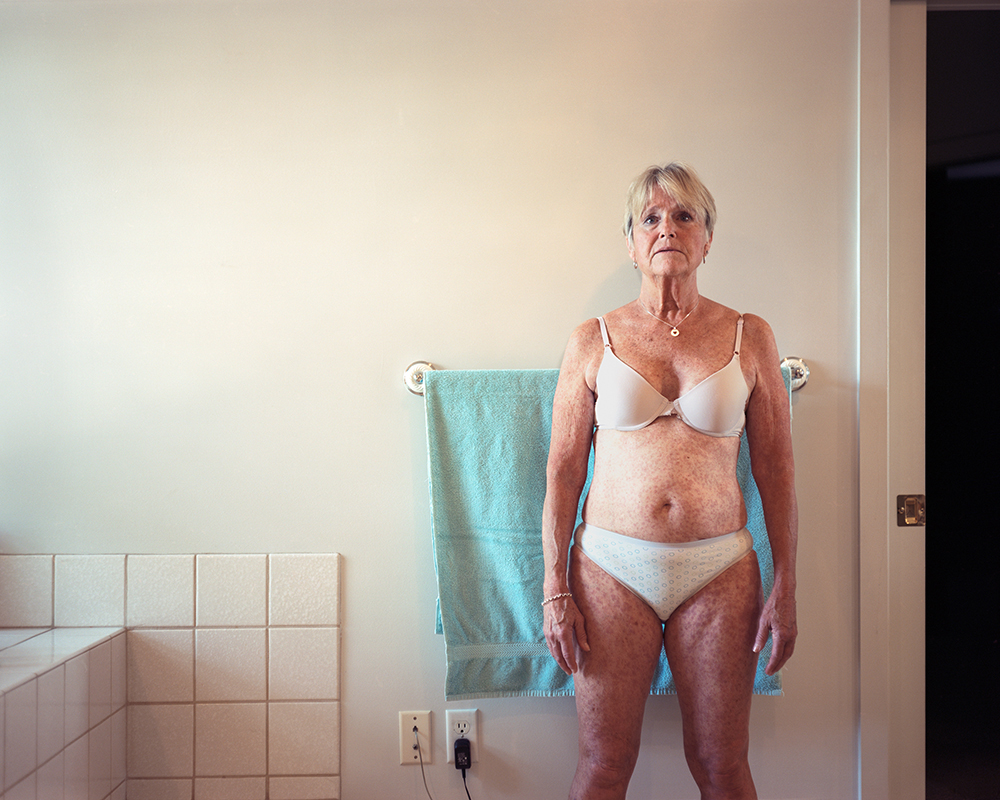
Hives, 2019. from the series “Another Season of Prickly Dread”
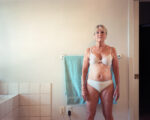
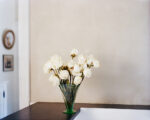
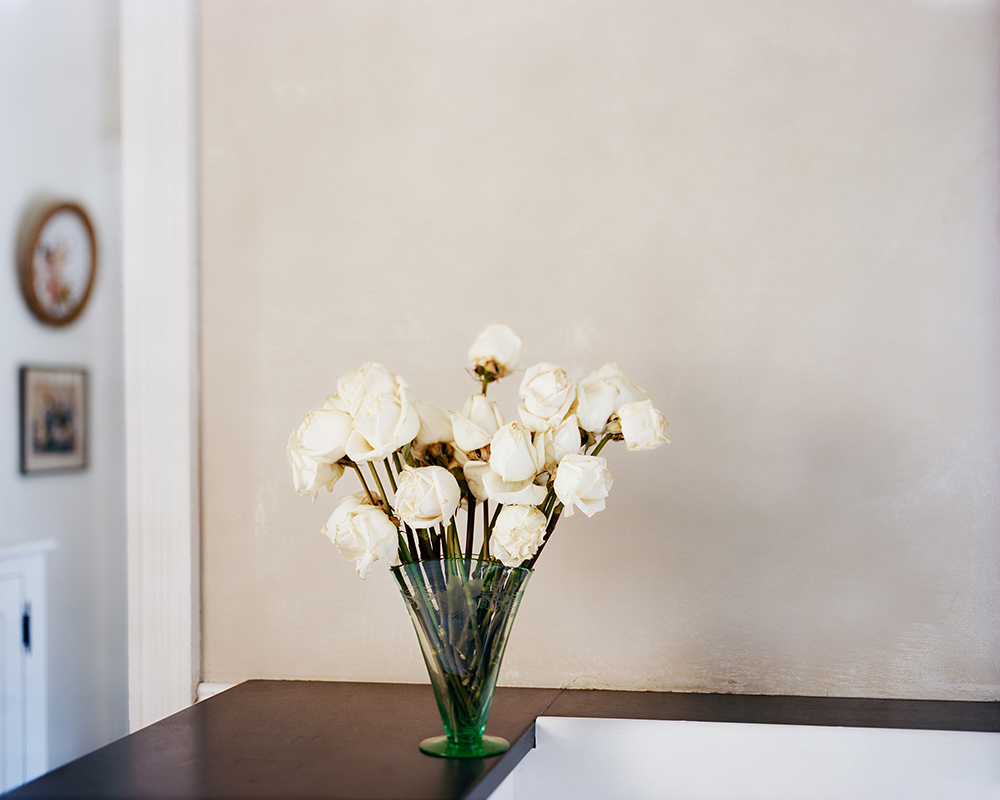
Flowers from My Seventieth Birthday, 2017, from the series “Another Season of Prickly Dread”
 

Contact: Christine Welch
christinewelchphotography.com

Christine Welch (Lancaster, PA.) is a fine art photographer whose work is in the permanent collections of The Philadelphia Museum of Art, The American University Corcoran Legacy Collection, Haverford College, Johnson & Johnson Corporation as well as several private collections.  Her work has been reviewed in national publications including The Photo Review, The New Art Examiner and the Washington Post. She has received numerous awards including the Florence Whistler Fish Award for Photography in 2010.

A monograph of her images, Commonplace, (afterword by John Stilgoe, Harvard University) was published in 2004 as part of The Road and American Culture Series by the Center for American Places (distributed by University of Chicago Press). Gregory Conniff, author of Common Ground, said of her work, “…an excellent look at public places of daily life. Many photographers have addressed this subject, but few with her feeling for color, and none with her empathy for the ways these places struggle to get it right.”

Born in WIlliamsport and raised in Lancaster,PA, she often takes the vernacular culture and landscape of central Pennsylvania as her subject.Her series,The Susquehanna Trail: Road of Never-Ending Delight, investigates that contemporary landscape and refers to a 1929 Lycoming County guidebook which promoted tourism from Washington D.C. to Niagara Falls.  Welch, by lavishing her focus on the places we pass through on the way to somewhere else, asks us to to pay attention and learn what they may reveal. Her most recent work, Another Season of Prickly Dread, was begun in 2016, continued through the pandemic and sporatically into the present. In this work, she creates images which describe an itchy sense of anxiety coupled with subtle nods to the small insults of aging. By moving away from the constrants of a particular genre she detatches the experience from place and makes it disquitingly prevassive.

Welch earned a BA from Franklin & Marshall College, an MFA in Photography from the University of Delaware and is a Professor, Emeritus, founder and past Chair of the Photography Department at the Pennsylvania College of Art and Design, Lancaster, PA. She also taught at Franklin & Marshall College (Lancaster, PA), The University of Delaware (Newark DE) and Lebanon Valley College (Lebanon, PA).
Diana Mara Henry

Posted on June 22, 2026 by Julie Grahame in Member Profile
Woman’s Place is in the White House, 1976
Fran Lebowitz in Greenwich Village, 1981
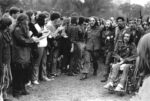
Vietnam Veterans Against the War on Boston Common, 1971

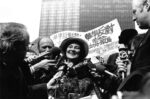
Bella Abzug at the Battery, 1972
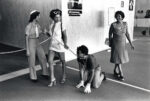
Avant-Garde Art at the World Trade Center, 1977

Contact: Diana Mara Henry
The Spirit of Houston

“Your photos are beautiful and represent such a powerful and passionate time in American history. I believe these photos will last and many years from now they will be looked at and studied just as Mathew Brady’s classic and haunting Civil war photos are today. Thank you for being a part of history.” – Ron Kovic

Bruce Murray

Posted on June 4, 2026 by APAG in Member Profile
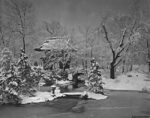
“Niomon” Japanese Temple Gate in Fairmount Park; Philadelphia PA; ca. 1920 by Bruce Murray Sr. (1893-1969)
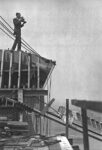
Bruce Murray, Sr. atop Ben Franklin Bridge c.1924
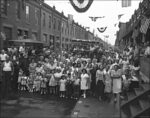
South Phila Block Party 1950

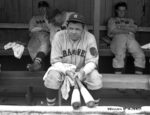
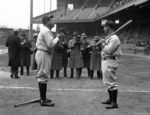
Babe Ruth Final Career Game 1935
Babe & Lou ca.1928
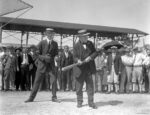
Connie mack catching & Thomas Edison batting, Spring Training Ft. Myers FL, 1926

The Bruce Murray Collection

For almost five decades, “The Master” photographer, Bruce Murray, Sr. (1893-1969) had captured amazing images of sports legends, historical figures and Americana.

Bruce Murray Sr.’s fascination with photography started at the age of 12.  He started his professional career around 1911 with the old Philadelphia newspaper the Public Ledger and spent the rest of his career with The Evening Bulletin, retiring in 1958.  For decades his work with the newspapers, earned him recognition as one of the best in his field. In the years between the two World Wars, he photographed hundreds of stirring events and world-famous figures. Nicknamed “The Master,” he won many awards for his work.  His subjects varied from true baseball legends and presidents, as well as judges and composers to landscapes and everyday people.  Mr. Murray truly loved his work and was a founding father and president of the Philadelphia Press Photographers Association, the second oldest association of it’s kind.

His son Bruce Murray, Jr. (1919-1991) followed in his footsteps and was a press photographer for the Philadelphia Evening Bulletin before and after his time in the service in W.W.II.  He learned his skill from his father, and had the foresight to preserve whatever existing photography of Bruce Sr.’s that survived.  He captured many mid-century images and was also a plant photographer for a US Steel plant for many years.  He passed on the skill and photography to his son, Shawn (almost Bruce III).   Shawn has proudly preserved the legacy and committed his life to preserving and publishing his grandfather and father’s work.

Bruce Sr.’s work is part of the permanent collection of the National Baseball Hall of Fame in Cooperstown, NY, and was included in the Sports Illustrated book “20th Century Sports – Images of Greatness.”  The photos are also part of the permanent collections of such institutions as the Thomas Edison Museum, the Babe Ruth Museum, the Franklin Institute and the International Boxing Hall of Fame.  They are part of the private collections of many notables such as Reggie Jackson, Tom Hanks, Larry King, Gary Sinise, Les Paul and John Goodman.

For more information:

Contact: Shawn Murray

Email:  shawn@brucemurray.com

Website:  www.brucemurray.com


Jane Schreibman

Posted on May 26, 2026 by Julie Grahame in Member Profile


Contact: Jane Schreibman

janeschreibman.com

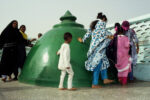
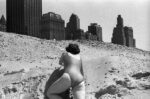
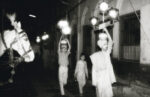
“I came to New York after studying at the San Francisco Art Institute; maybe because I didn’t know anyone here, my first project was self-portraits.  This was followed by night festivals, shooting infrared film in the dark. The project grew and eventually took me to Italy and India.

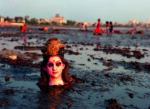
India and Pakistan became the focus of much of my subsequent work. A grant from the Asian Cultural Council helped me complete a project on sacred sites. From there, women in the limestone industry, the beaches of Mumbai- one project followed another.

My photographs have been exhibited and published throughout the US and Europe, and are held in collections including the Brooklyn Museum, the Fine Arts Museum Houston, the Bibliothèque nationale de France, and the Milwaukee Art Museum.”

Joyce Culver

Posted on August 28, 2025 by APAG in Member Profile


Joyceculver.com

Joyce.culver@verizon.net

Karen I. Hirsch

Posted on June 26, 2025 by APAG in Member Profile
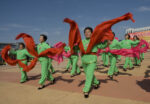
Chinese Dance of Colors, 2007
Strolling Burano, 2022
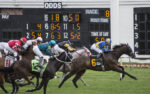
What are the Odds, 2016

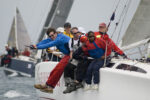
All Hands on Deck, 2006
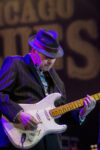
Ronnie Earl, Chicago Blues Fest, 2016
Vibrant Movement, 2018

Karen I. Hirsch

karen@karenihirsch.com

www.karenihirsch.com

www.karenihirsch.com/visualart

Karen I. Hirsch is an international award-winning photographer and digital artist based in Chicago, Illinois. Her work spans editorial, commercial, and fine art photography, with a distinctive style that captures the essence of her subjects through color, composition, and timing.

Hirsch’s photographs have been featured in prestigious publications such as Communication Arts, Graphis, Architectural Digest, Forbes, and the Chicago Tribune. Her images are part of corporate and private collections and have been exhibited in galleries across the globe – including New York, Chicago, Los Angeles, Barcelona, Berlin and Basel.

Among Hirsch’s numerous awards was the grand prize in the Chicago Daily News/Kodak competition, best photo in an American Society of Magazine Photographers contest and grants from the Chicago Department of Cultural Affairs and the Illinois Arts Alliance.

Hirsch studied with master photographers Ernst Haas, Jay Maisel and Arnold Newman.

In 2003, the Chicago Department of Cultural Affairs hosted her solo exhibition “My Chicago,” a 25-year retrospective showcasing over 200 images of the city’s people, places, and events. In 2007, she was among ten foreign photographers invited by the Chinese government to document the city of Rizhao.

An active member of the photographic community, Hirsch serves as co-president of the Fort Dearborn-Chicago Photo Forum and is affiliated with the ASMP, the American Photographic Artists and the American Photography Archives Group.


Edward Quinn

Posted on April 30, 2025 by Julie Grahame in Member Profile
Pablo Picasso. Nice, 1955.
Grace Kelly. Cannes, 1955
Audrey Hepburn. Monaco, 1951

Alain Delon and Jane Fonda. Antibes, 1964
David Hockney. London, 1977.
Winston Churchill. Nice, 1959

Archive representative: Wolfgang Frei

edwardquinn.com

Born in Dublin in 1920, Edward Quinn was a professional musician and served as a flight navigator in the Royal Air Force during World War II. After the war, he eventually made his way to the Côte d’Azur, where he learned photography and captured images of world leaders, glamour girls, as well as figures from the worlds of film, art, music, and literature. His most memorable work included images of a then-unknown Audrey Hepburn, Grace Kelly, and Brigitte Bardot. His keen eye also captured Picasso, T.S. Eliot, Gary Cooper, and many others.
In 1951, Edward Quinn met and photographed Pablo Picasso for the first time. Their friendship lasted until Picasso’s death in 1973. This encounter with Picasso proved to be hugely influential for Quinn and shaped much of his later work. Quinn is the author of several books and films about Picasso.
Starting in the 1960s, Quinn focused his work on artists, including Max Ernst, Alexander Calder, Francis Bacon, Salvador Dalí, Graham Sutherland, and David Hockney. Quinn passed away in 1997.
The Edward Quinn Archive, located in Switzerland, is managed by his nephew Wolfgang Frei. It contains more than 180,000 photos (negatives) from the 1950s through the 1970s.
A curated selection of about 16,000 photos is published on edwardquinn.com.
The most significant part of the archive is the approximately 9,000 photos of Picasso.
About 25,000 pictures have already been digitized.

William James Warren

Posted on April 5, 2025 by APAG in Member Profile
RFK & Ceasar Chavez in Delano, CA, USA on the occasion of Chavez’s ending a lengthy fast. A mass is being said from a flatbed truck; to the right and behind the camera. 1968 No model releases
Jimi Hendrix, Monterey Pop Festival, 1967
Mississippi State Police, Marks, Mississippi, during the Poor People’s Campaign. There was very little that this gentleman liked about me, least of all the relative immunity I enjoyed as a member of the press amongst others of the same trade.

Washington, D.C., Poor People’s Campaign, June, 1968. Photographer Jill Freedman, who wears an SCLC badge. There were a number of us who were called to spend months on the story.
Mrs. Margaret Franklyn through the screen door of her home in Marks, Quitman County, Mississippi, then the poorest county in the USA. 1968
MLK’s Funeral, Atlanta, GA, 1968. Casket being carried from the Ebinezer Baptist Church.

  • WILLAM JAMES WARREN

    William James Warren is a documentary photojournalist living in San Diego, CA.  He is currently organizing his archive at Briscoe Center, U of Texas, Austin, courtesy of APAG’s introduction.

    Visual Philosophy: “Multum in Parvo; I strive to distill the essence of what I see, feel and imagine into compelling visual form, with the greatest possible depth and economy. I seek images with a narrative, which invite curiosity and reward contemplation.” 

    Born in 1942, raised in Westchester, CA, he was the only son of Depression survivors — his senior aircraft engineer/inventor father and his office manager/wordsmith mother. Their tough love included debiting Warren’s allowance $0.10 for every use of the term: “You-Know”. Despite funds being tight, they provided him with his first 35mm camera, a modest Petrie range finder. It was the first of some dozens of cameras to follow over a sixty-year career that became his raison d’être.

    Self-educated in photography, Warren’s career officially began in 1965, as a Combat Photographer/Reporter for the PIO (Public Info Office) of the 101st Airborne Division, U. S. Army, in Vietnam, where he was a natural for the job, owning both a camera, a dictionary and a white belt in journalism. Dirck Halstead, head of UPI, Saigon, liked Warren’s meager portfolio and invited him to remain in Vietnam as a stringer, after his discharge in 1966; an honor he declined, having had enough of a war he judged un-winnable, insane and hazardous to his health.

    “I left my M-16 rifle, 200 rounds of ammo, hand grenades, behind in Vietnam, but kept my Nikon-F, per the example of Gordon Parks’ ‘A Choice of Weapons’. I had been raised on a diet of John Steinbeck and Life Magazines. My (virtual) tutors were W. Eugene Smith, Dorothea Lange, et al of the Farm Security Administration school. I channeled them all subconsciously in obedience to a spiritual calling to witness and record my impressions of the history unfolding around me. 

    “Forget Depth of Field, seek Depth of Feeling” became my mantra and theme song, with the words ‘Truth to Power’ worked in.”

    On his return to California, he began freelancing, driven to record the Anti-War, Counterculture & Civil Rights Movements of the ’60s and ‘70s. His plan to return to college was derailed as assignments consumed his energies.

    Warren’s broad interests and empathetic eye led him to his many subjects, and clients, as diverse as: ACLU, L.A. Philharmonic Orchestra, Suicide Prevention Center, Constitutional Rights Foundation, Charles Drew Medical School, Psychology Today, Office of Economic Opportunity (OEO), Center for Democratic Institutions, Santa Barbara, CA. His exposure through the L.A. Free Press and UPI, attracted the New York press. His early editorial clients include: United Press International, Los Angeles Free Press, L. A. Times – West Magazine, Associated Press, Newsweek, Time, Life, LOOK, Psychology Today, Canadian Broadcasting Corporation, et al.

    Influenced by the cinéma vérité work of Frederick Wiseman, Warren used a cover story in Newsweek on Abortion to sell his first half-hour documentary to CBC. The film, aired on CBC Weekend, influenced legislation in Canada & US, leading to Roe v. Wade. That film’s success led to ‘Thank You Jesus’, a half hour vérité documentary on Pentecostal ‘Jesus Freaks’, who at the time were busy recruiting lost youths on Hollywood Blvd and baptizing them in the surf of Venice Beach, subjecting them to rape and other abuses.

    After LOOK’s final demise in 1979, Warren began shooting for organizations and corporations: NASA – Jet Propulsion Laboratory, Lockheed, Northrop, Fluor, National Semiconductor, Gladstone (Medical) Institutes, Agrigenetics, NYSE, NJ&NY Port Authority, and many others.

    Introductions to legendary graphic designers Robert Miles Runyan, James Cross, John Grissom Divers and Saul Bass, opened the gold mine of the Corporate Annual Report. Assignments paid magnitudes more than editorial and yielded round-the world tours in the bargain. For Warren, the the line between work and play ceased to exist.

    Surfing this wave, Warren met Charles O’Rear, renowned National Geographic photographer, who invited him to join the Westlight Stock Agency, where Warren quickly rose to the upper 10% of earners. Craig Aurness, Westlight’s owner, invented the stock photo catalog, catapulting the stock business into a career in and of itself. Thousands of licenses have been issued for reproduction of Warren’s work, globally, in all fields of media and publishing.

    Awards include: American Institute of Graphic Arts, Eastman Kodak, Fuji, Communication Arts, Graphis, Art Direction, Graphic Design, USA, Financial World, Print Magazines; New York, Western and Los Angeles Art Director’s Clubs.

    Warren’s work is included in the permanent collections of the J. Paul Getty Museum and the Museum of Photographic Arts, San Diego, CA. One of his portraits of Jill Freedman graces the cover of the APAG Handbook, selections of his work are currently available at Alamy.com.

    Web Portfolio:  williamjameswarren.com
    Contact:  will@williamjameswarren.com

David Lubarsky

Posted on February 12, 2025 by APAG in Member Profile
Revolving Doors, 50 Rockefeller Plaza, 1973
Mother + Son, Grand Central Terminal, 1978
Lone Man, Staten Island Ferry, 1978

Rites of Passage, 1977
Mosaic Subway, 1985
The Conversation, 1977

david@davidlubarsky.com
http://www.davidlubarsky.com
 
BIO:
With over four decades of experience, native New Yorker David Lubarsky has been working as an independent assignment photographer creating inspired images of accomplished professionals & their working environments for the editorial, media, corporate & fine art markets.
His work has been published in numerous consumer & trade publications, corporate annual reports, websites & social media platforms.
David’s ongoing photo essay “In Transit” depicting the urban commuting cultural landscape has been widely exhibited in the New York metropolitan area.
His first solo exhibit was funded by a grant from MTA/Arts for Transit Lightbox Series at Grand Central Terminal, followed by a traveling solo exhibition entitled “Mobility Matters” commissioned by MetroPool Inc. and the New York + Connecticut Department of Transportations.
Five of these images have been part of the permanent collection of the Museum of the City of New York since 1983.
David holds a BFA in photography from the School of Visual Arts and a AAS in photography from Fashion Institute of Technology, studied with renowned photographers Julio Mitchel, Todd Watts, Sid Kaplan & Irving Schild.
 
Artist Statement:
“Motivated by the mid-century social documentary movement in photography, my perpetual interest in pursuing the urban cultural landscape provides a loose emotional structure & visual canvas to celebrate the crossroads of the human experience.
-Although the tools of photography continue to evolve with new technologies, my visual objective remains the same; with each decisive moment, I deactivate the clock & preserve my distinct perception of time & space.”
Website:
www.davidlubarsky.com
Email:
david@davidlubarsky.com

Ave Pildas

Posted on December 6, 2024 by APAG in Member Profile
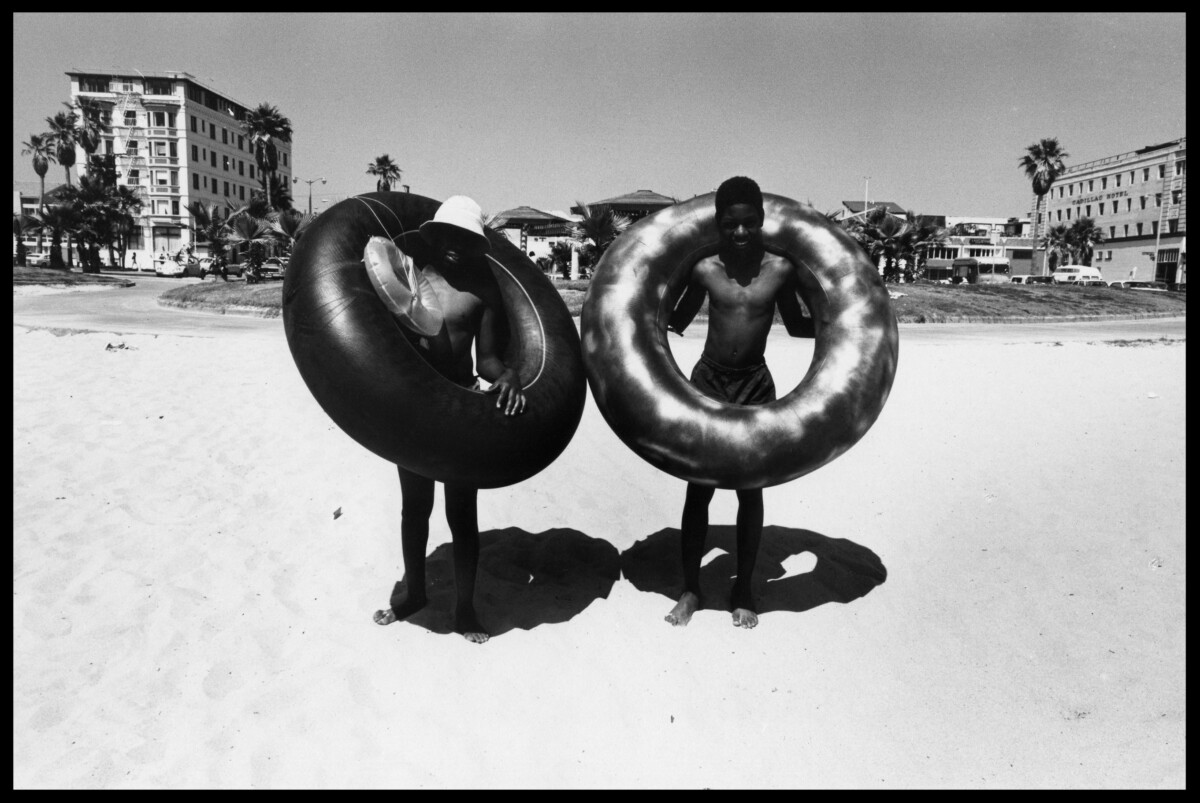
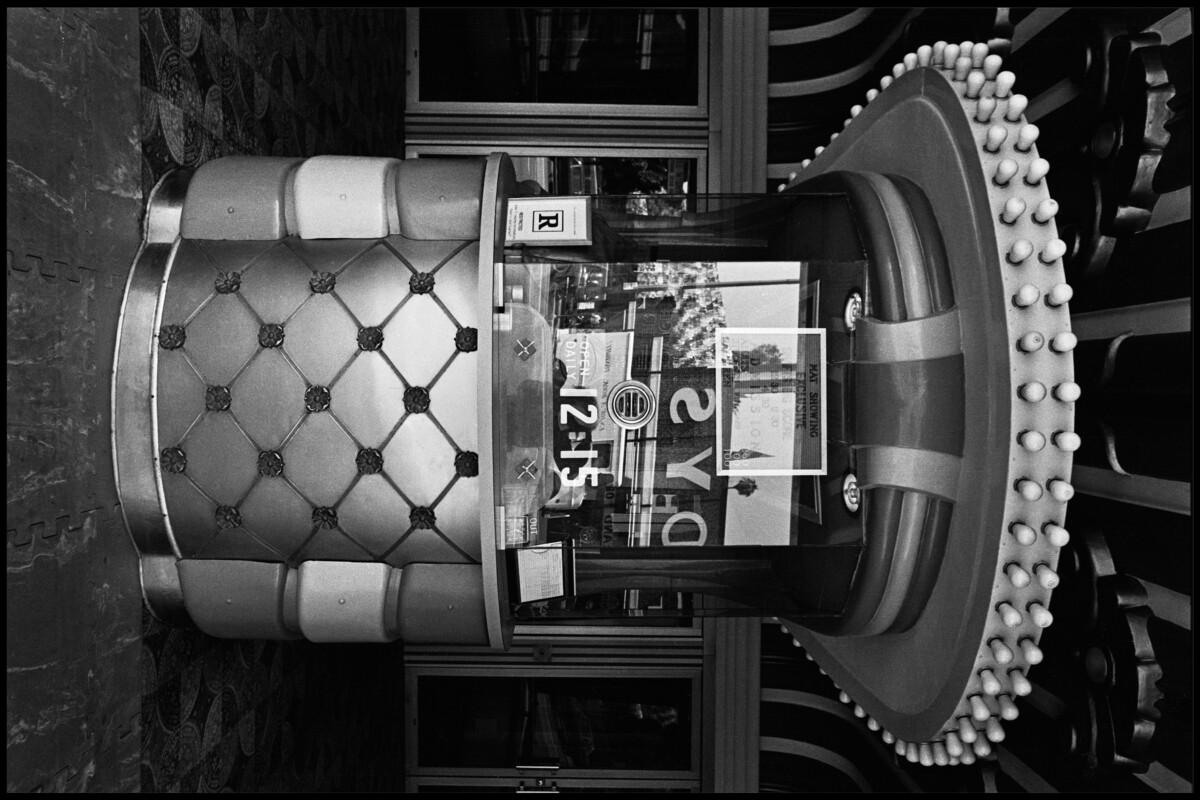
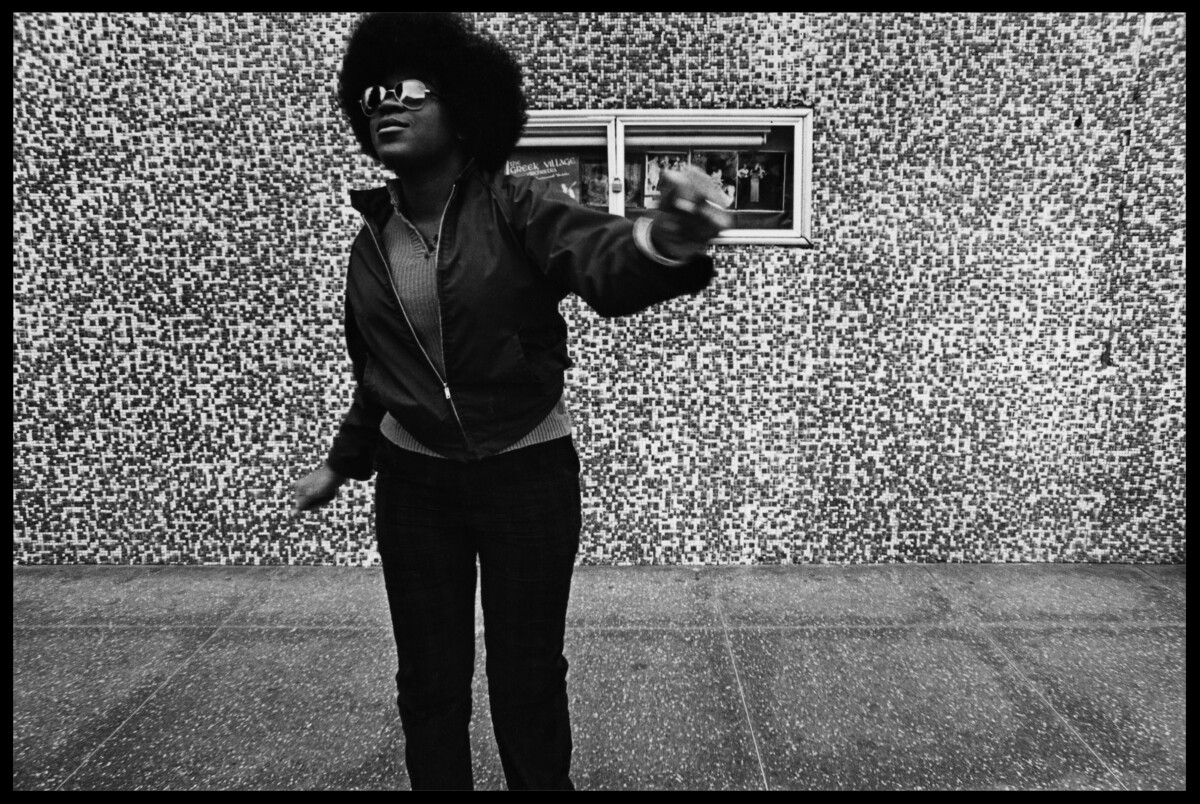
Black Beach Boyz
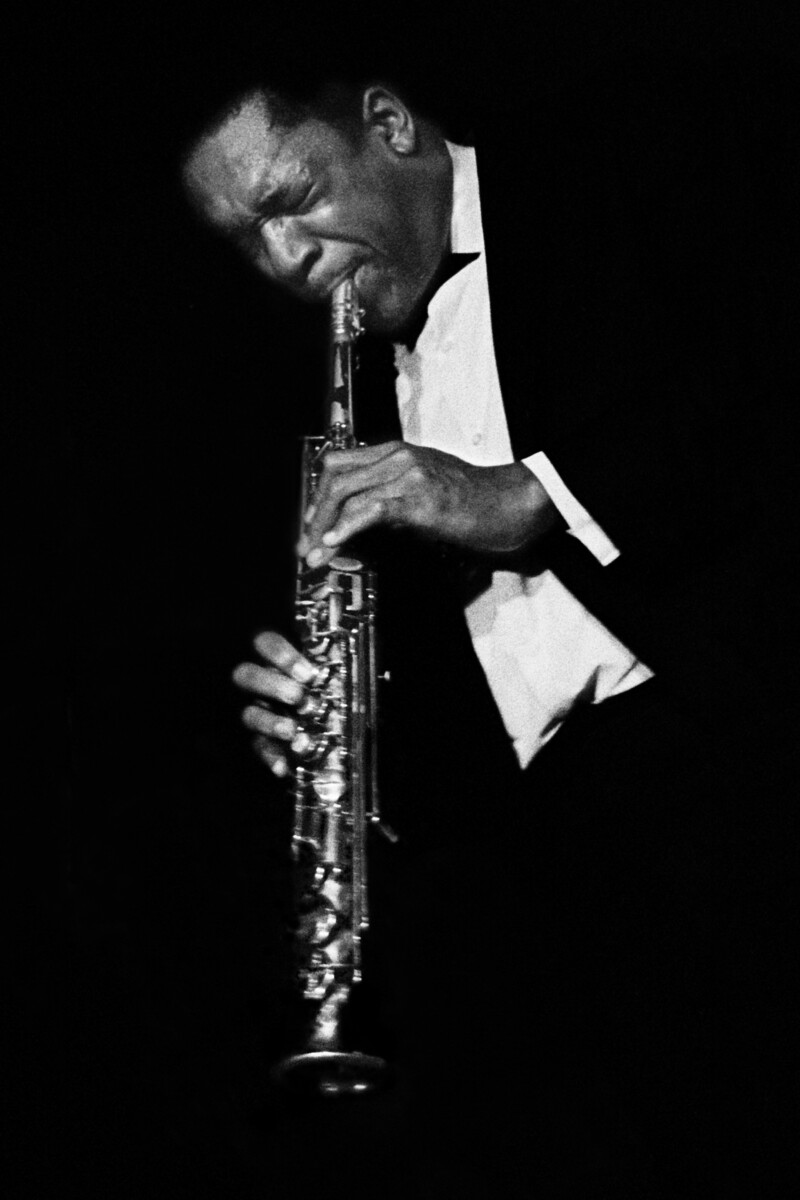
Coltrane
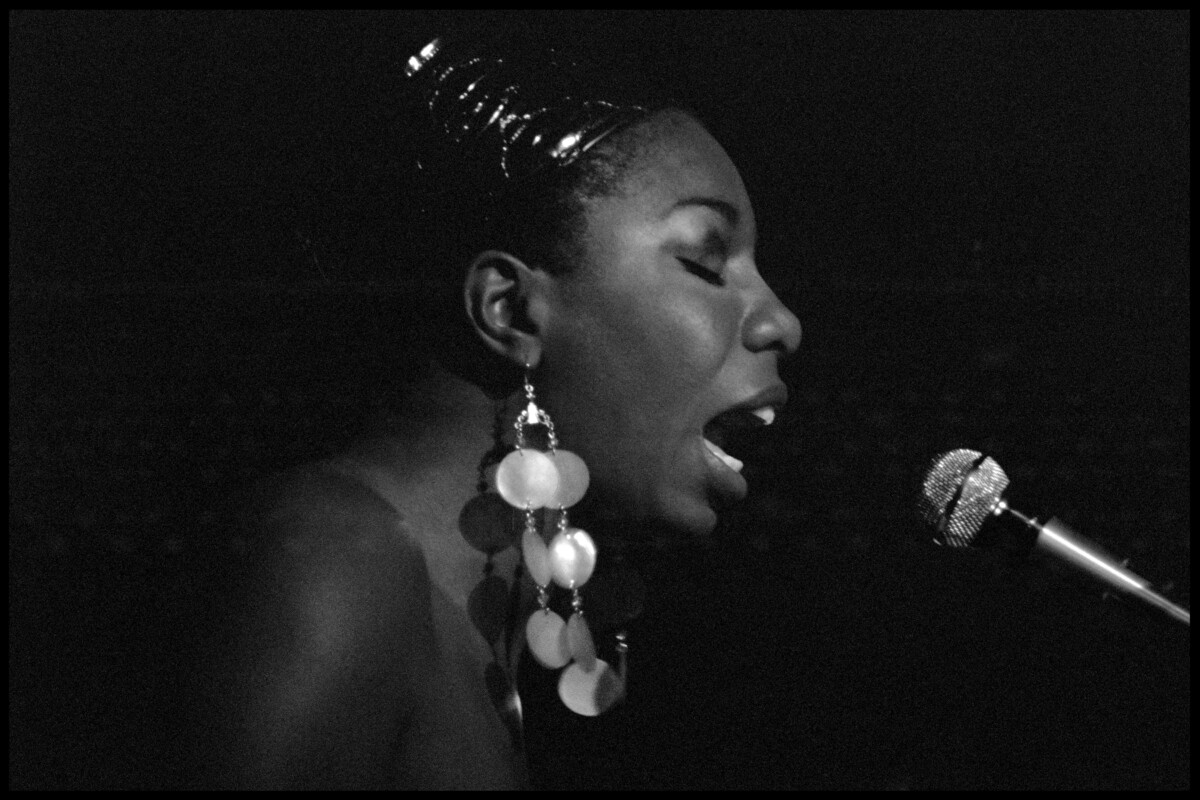
Nina Simone

Pix
Power to the People
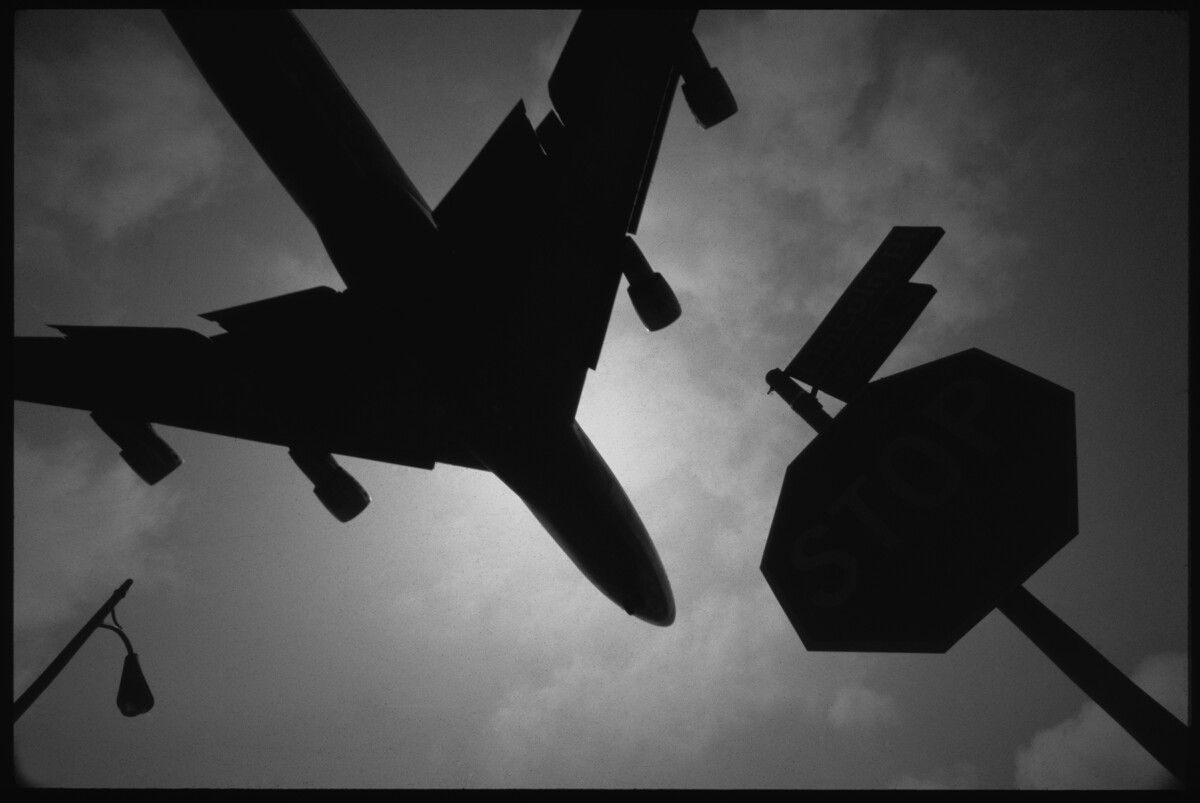
LAX STOP

Ave Pildas

avepildas.com

avepildas@gmail.com

Whether photographing jazz greats in smoke-filled clubs, the gritty theatrics on infamous

Hollywood Boulevard, or the spontaneous interactions between people and animals at

locations worldwide – Ave Pildas offers a rich and diverse survey of contemporary life.

Ave began his arts education as an architecture student, designing department stores, and

government and medical buildings. Before long, this path felt too conservative and

constricting, so he changed majors to design. Creating products, packaging, and graphics

provided enough diversity to seem like “complete freedom” at the time. Concurrently, Ave

was designing exhibits, displays, graphics, and publications for the Cincinnati Public

Library. After studying at the University of Cincinnati and graduating from the Cincinnati Art

Academy in 1962, Ave headed east to Pittsburgh, where he worked designing collateral for

U.S. Steel, Alcoa, Pittsburgh Plate Glass, Koppers, and Westinghouse. At Westinghouse, he

met renowned graphic designer Paul Rand.

With encouragement from Rand and well-known typographer Noel Martin, Ave traveled to

Switzerland and enrolled at the Kunstgewerbeschule, studying typography and graphic

design during the Cold War. As a student, he visited every country in Europe and parts of

North Africa, often by car. It was at this time that Ave set the lofty goal of “raising the visual

conscience” of the world, and, at the conclusion of his studies, accepted a position as

assistant professor at Philadelphia College of Art, now the University of the Arts in

Philadelphia. Since then, he has taught at Layton School of Art, Leicester Polytechnic in

Britain, Cal Arts, Art Center College of Design, UCLA, USC, as well as Otis College of Art

and Design, where he served as Chair of the Communication Arts Department. He is

currently Professor Emeritus at Otis.

Ave has been taking photos that combine his observational ability with his prowess as a

designer for over fifty years. His photographs have appeared in national and international

publications. Many of his images of Hollywood Boulevard from the 1970s are represented

in the permanent collections of the Los Angeles County Museum of Art and the New York

Public Library, and appear in Ave’s latest Monograph, Star Struck (2022, Deadbeat Club

Press). Three other books of his photographs have been published previously: Art Deco LA

(1978, Harper & Row), Movie Palaces: Los Angeles (2000, Clarkson Potter), and Bijou (2016,

Nazraeli Press).


  • 1
  • 2
  • 3
  • ›
  • »

APAG

  • Home
  • About
    • APAG Board
  • Membership
    • Members Only
  • News
  • Resources
  • Members Gallery
  • Conference
  • Education
  • Contact

Contact APAG

Contact APAG for membership, information, or with questions:

Visit our Contact Page »

Follow us on Facebook »

All photos on this website are protected by copyright of the individual photographers and archives whose photographs are represented. All rights reserved, and photos are not allowed to be used for any purpose without permission. Please write to the archives or photographers directly for permission requests.

(*) ©2026 APAG – American Photography Archives Group | Site by KPFdigital | Log in